

Pet insurance • Practical decisions

Can pet insurance cover parvo?

Separate future illness protection from an infection already suspected, and check the treatment episode rather than only the disease name.

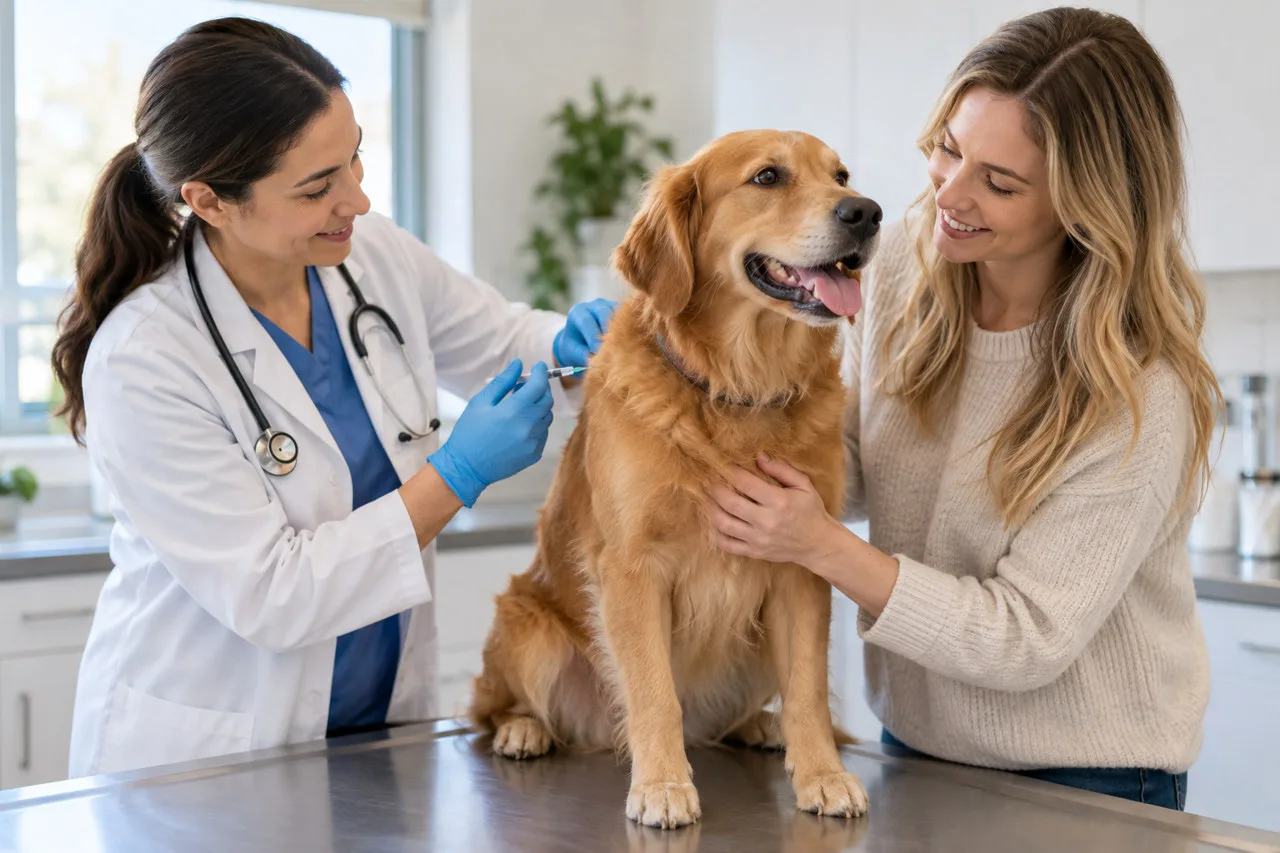
Veterinarian examining a dog beside its owner
✓ Policy-first ✓ Independent ✓ Useful checks
Direct answer
An accident-and-illness policy may cover eligible treatment for a new parvovirus infection, subject to its history, waiting-period, service and cost-sharing rules. Accident-only or routine vaccine benefits are not substitutes for illness coverage. If your dog is vomiting, has diarrhea or seems seriously unwell, contact a veterinarian promptly; buying a policy cannot be relied on to pay for an episode already underway.
What to know

A suspected infection is a veterinary problem first

Cornell describes canine parvovirus as a highly contagious illness that can cause serious gastrointestinal disease. Lethargy, appetite loss, vomiting and diarrhea can occur, but those signs do not establish the diagnosis on their own. Testing and the treatment plan belong with the veterinarian.

Call the practice before arrival and describe the concern so it can advise how to bring the dog in while protecting other animals. Do not delay an assessment to complete an application or wait for a coverage date. Keep the insurance conversation separate from the clinical decision.

Hospital care may be needed for supportive treatment. A vaccine schedule protects against future infection; it is not a replacement for treating a sick dog. Follow your veterinarian’s vaccination and exposure advice rather than assuming an insurance benefit determines the right care.

What to know

Build the parvo timeline from symptoms, not just the positive test

Write down when the first concerning signs appeared, when a veterinarian was contacted, when testing occurred and when the relevant illness coverage began. Include shelter, breeder or previous-practice records when they exist. The positive test date is one part of the history, not automatically the start of the condition for insurance.

Consider a fictional adopted dog: vomiting is recorded before enrollment and parvo is confirmed afterward. The later test does not by itself turn the episode into a new covered illness. Conversely, an already insured dog with a later new infection still needs an eligible claim assessment; an active policy is not a guarantee of full payment.

Ask for the exact provision the insurer uses when deciding the timeline. Do not postpone treatment, hide earlier signs or ask a clinic to alter accurate records. If a record contains an error, request a factual correction through the clinic’s usual process.

What to know

Trace the whole treatment episode

Owner resting at home beside a dog
An illustrative home scene does not establish whether a dog has parvo or qualifies for insurance.
Invoice or care stage Question for the policy
Initial examination and parvo testing Are the examination fee and diagnostics both included?
Hospitalization and supportive care Which medically necessary services qualify, and are there sublimits?
Medication and discharge treatment Does coverage include prescribed take-home treatment for this condition?
Recheck and additional testing How are related follow-up expenses grouped and claimed?
Isolation or additional clinic charges Are these eligible treatment charges or excluded fees under this contract?

Request an itemized estimate if the clinical situation allows. There is no universal parvo bill: treatment needs and charges differ. Ask the insurer how the selected deductible, reimbursement basis and remaining limit apply to the actual episode, without treating an estimate as a preapproval.

Do not assume that an advertised hospitalization benefit pays every line. Keep examination, treatment and preventive expenses distinct. If direct payment is unavailable, ask the hospital about its payment requirements while the claim is assessed.

What to know

What the official product materials actually support

ASPCA Pet Health Insurance’s Complete Coverage materials describe eligible illness examinations, diagnostics, treatment and hospitalization; its veterinary parvo resource also states the policy’s waiting, history and cost-sharing limitations. It is a candidate to investigate for future eligible illness, not evidence that a specific dog’s parvo claim has been approved.

Verify the exact state offer, exclusions and any preventive-care requirements. This guide has not obtained an individual state-policy determination on parvo for either provider.

Ask specifically whether the contract has a vaccine-preventable disease exclusion or a requirement to follow veterinary prevention recommendations, and what evidence would be requested. Do not infer either automatic denial for an unvaccinated dog or automatic approval for a vaccinated one without the governing policy.

What to know

A vaccine allowance answers a different question

A preventive package may reimburse an eligible vaccine under a service schedule. That allowance does not insure the subsequent illness, erase a waiting period or override a history exclusion. You may need medical illness coverage and a separate decision about whether a preventive option is worth buying.

Save vaccination records because they help the veterinarian plan care and may answer insurer questions. The practical finish line is a clinical plan for your dog, an accurate infection timeline and a policy explanation of the eligible treatment. None should be replaced by a broad “parvo covered” label.

Evidence

Sources and policy context

These public references support the consumer or veterinary context. Named insurer details were checked in official product materials; the policy offered for your pet and state determines the actual terms.

Next step

Compare Current Pet Insurance Rates

Check current options for your pet and location, then compare the policy details, exclusions, costs, and eligibility before choosing.

Compare the policy before you choose Check the actual offer, exclusions and out-of-pocket terms.
See Rate Options